HOLDING BOTH
Maria Hatling x Paloma Tendero presented by Apsara studio
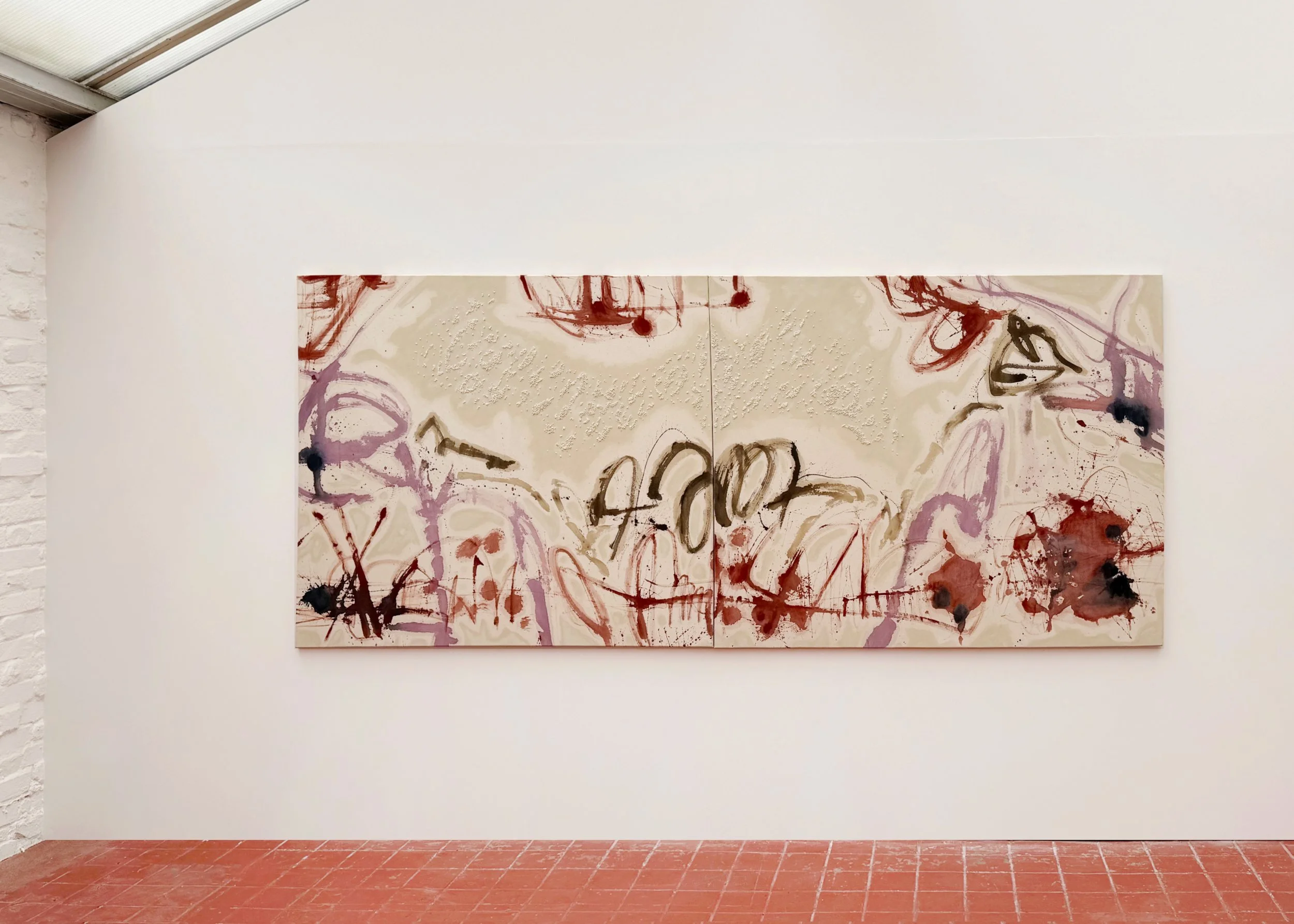
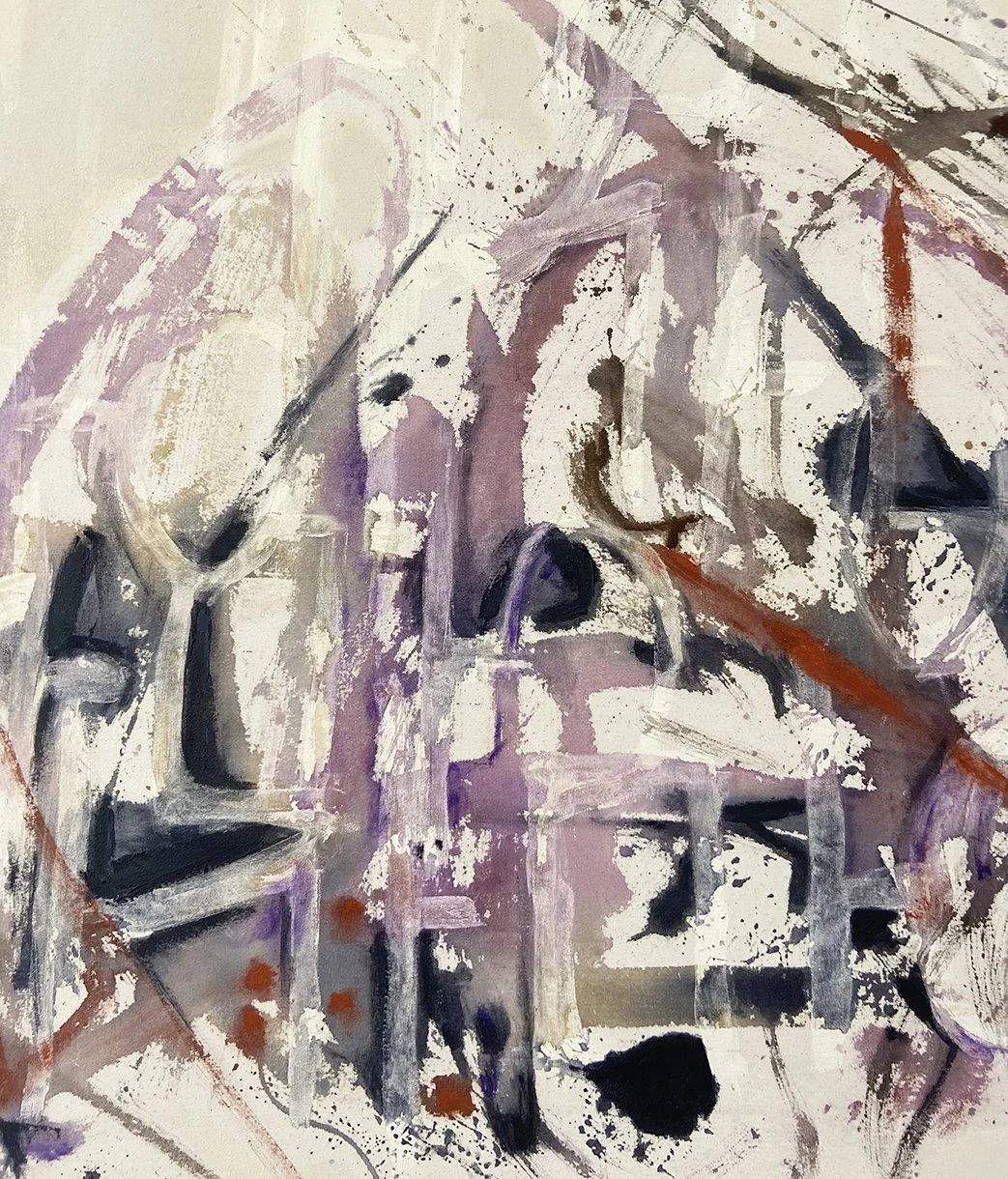
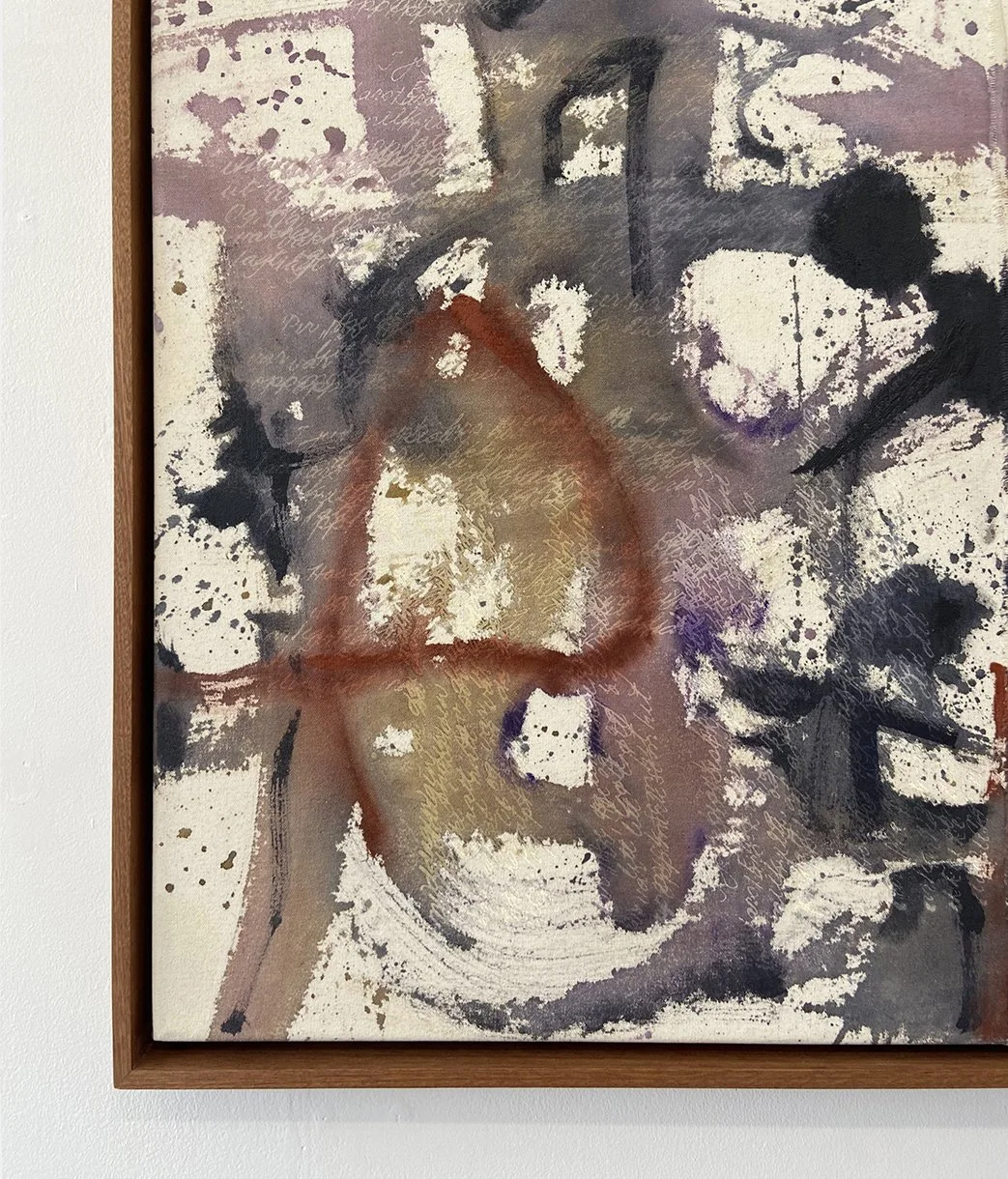
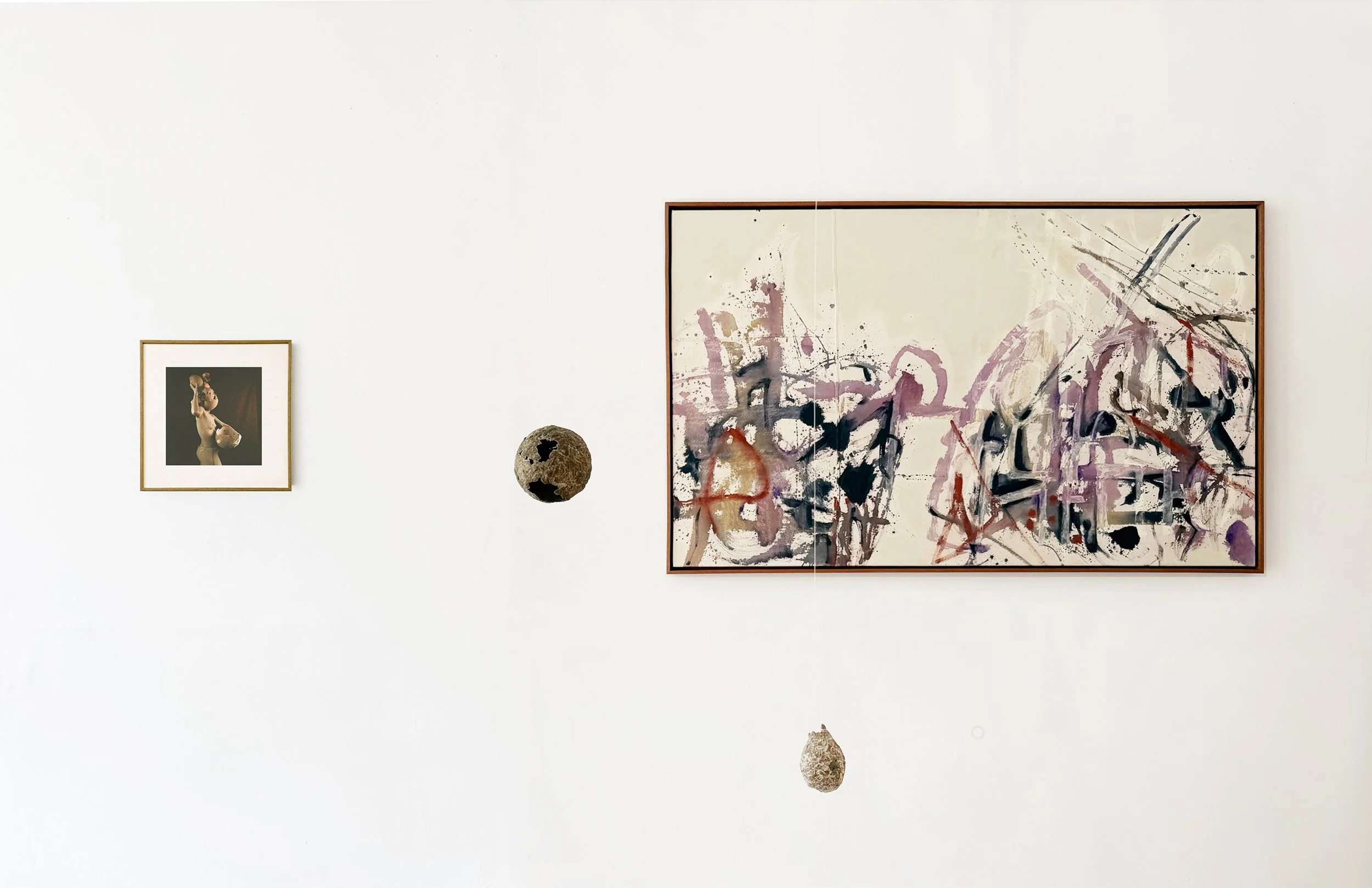
A Million Dreams, 2026, Acrylic on canvas, 130 x 320, Embellished with thousands of 'invisible beads’ by Maria Hatling.
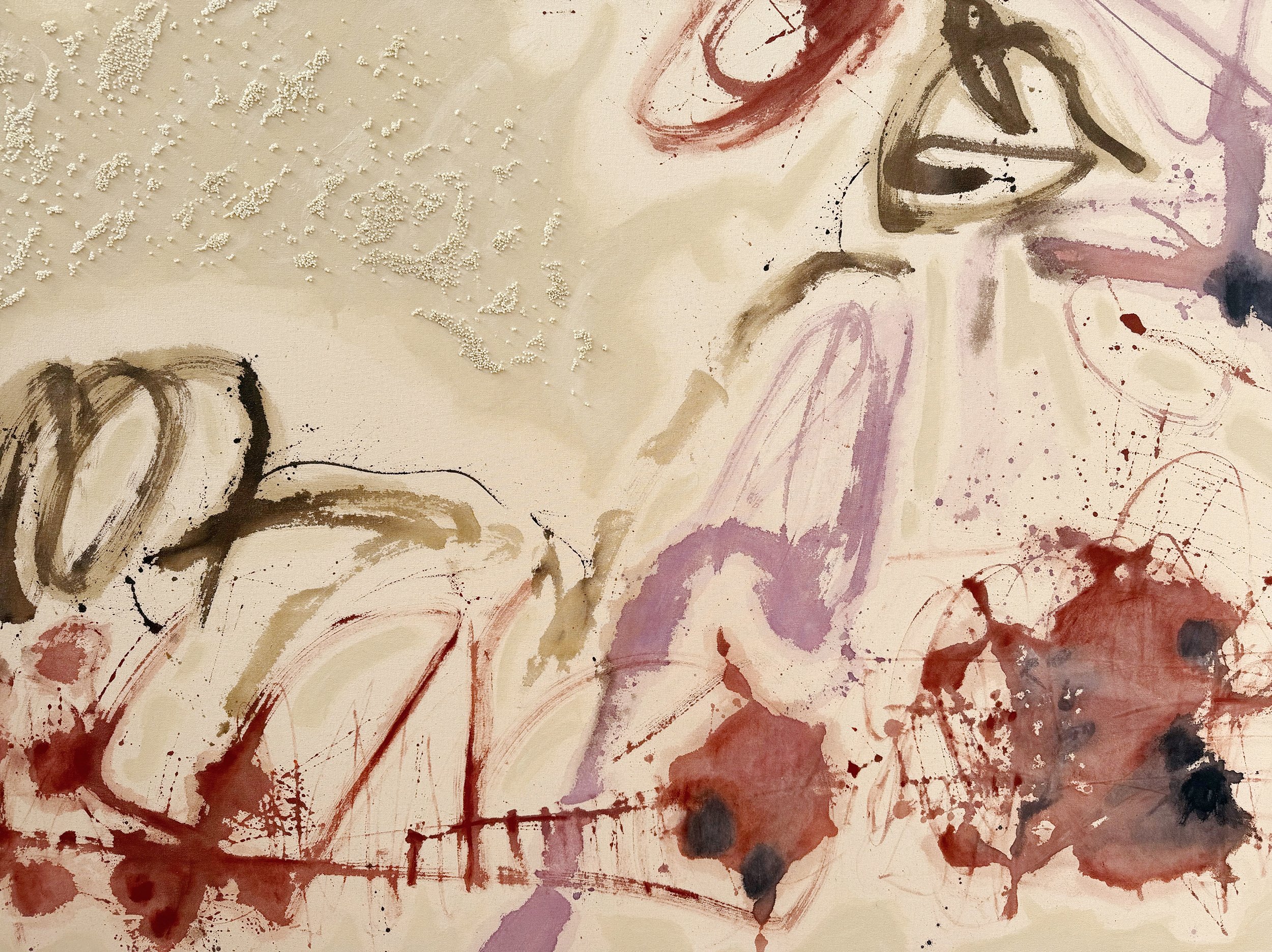
A Million Dreams reflect on biological inheritance, time, and identity. Every girl is born carrying between 1 and 2 million eggs, genetic material that links her not only to her mother but also to her grandmother. Three generations coexist in a single body from the very beginning. By the age of forty, that number is reduced to fewer than a thousand, regardless of status or circumstance, a quiet reminder that biology moves independently of modern ambition. As an adopted woman with no knowledge of my biological lineage, this realisation profoundly shifted my understanding of self. For much of my life, I saw myself as shaped almost entirely by nurture. Only later did I begin to contemplate the unseen genetic narrative I carry, even if its origins remain unknown. The surface of the painting is embellished with thousands of shimmering beads. Decorative and luminous, it echoes our tendency to curate flawless exteriors. Beneath that shine lies a reflection on inheritance, illusion, and the fragile, finite nature of possibility.
The work invites viewers to look beyond appearance and consider what is passed down, what remains hidden, and what quietly disappears with time.
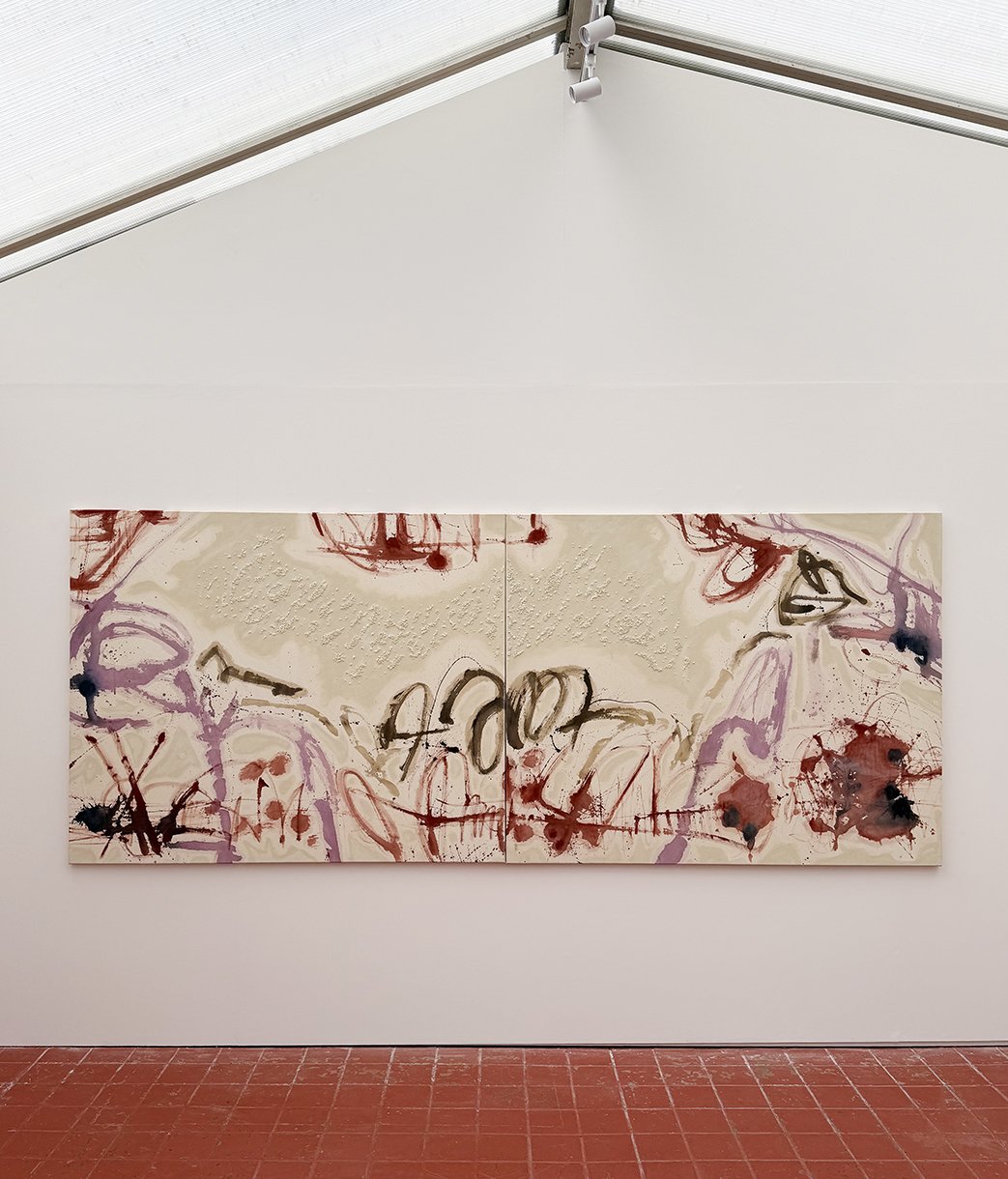
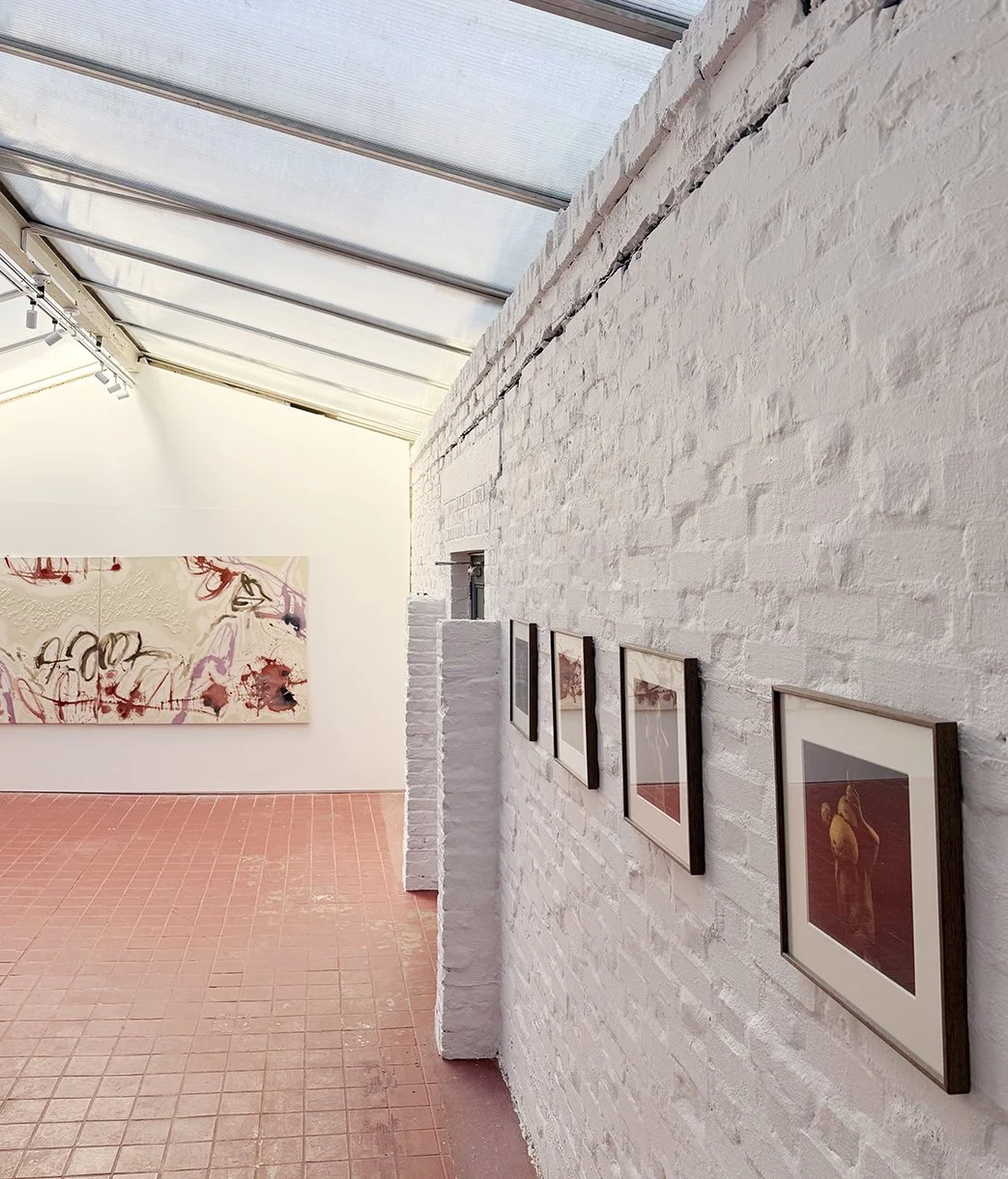
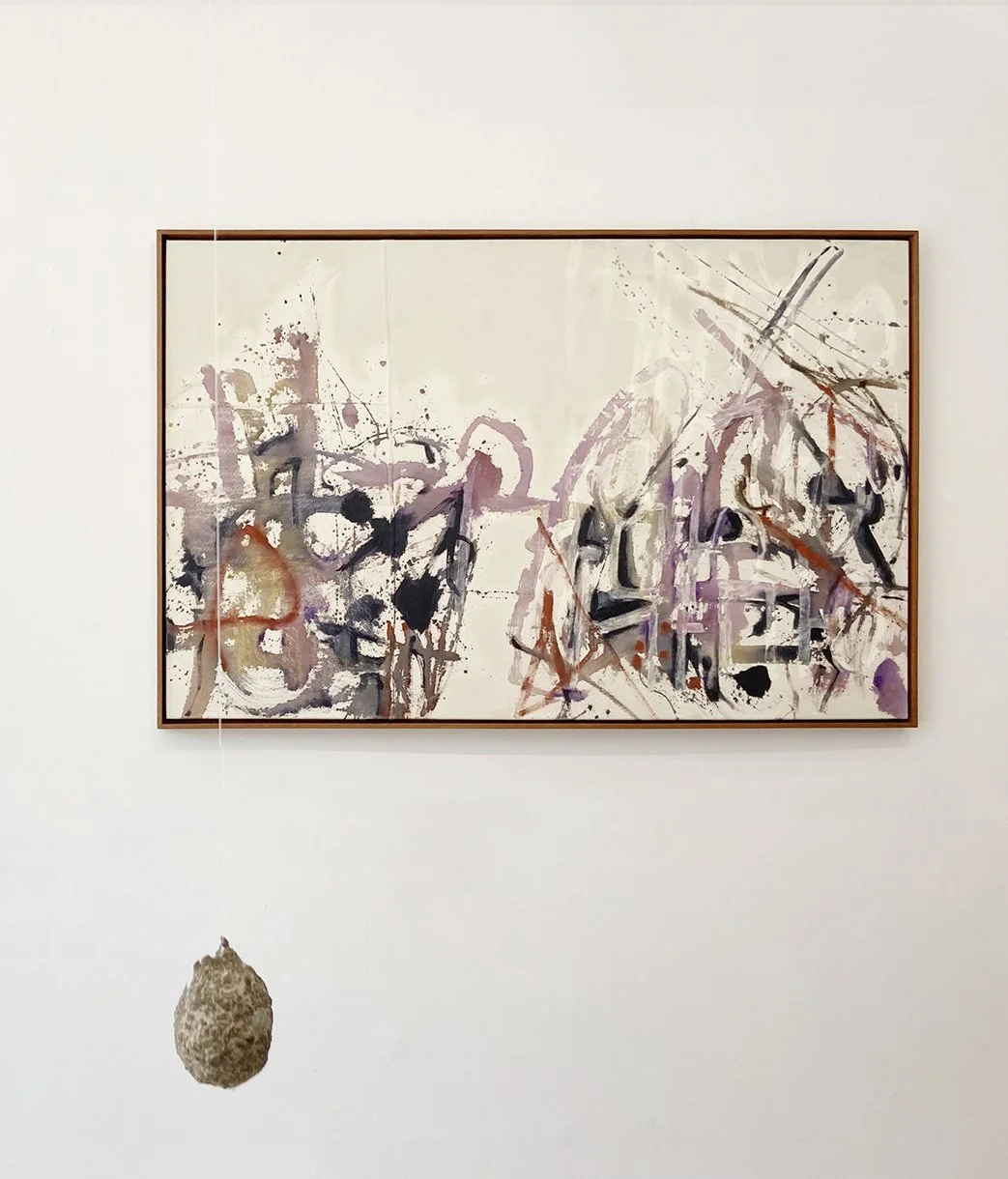
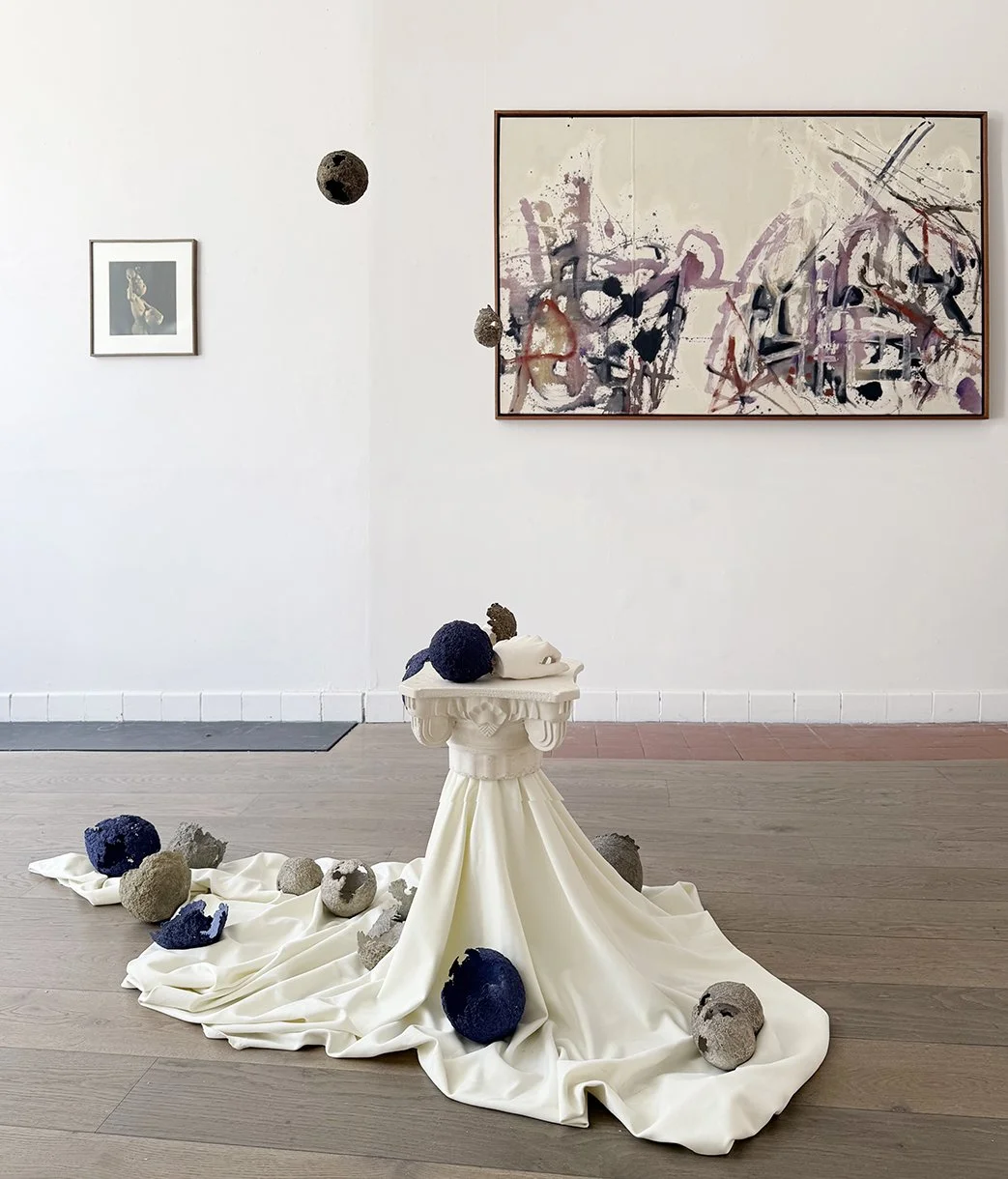
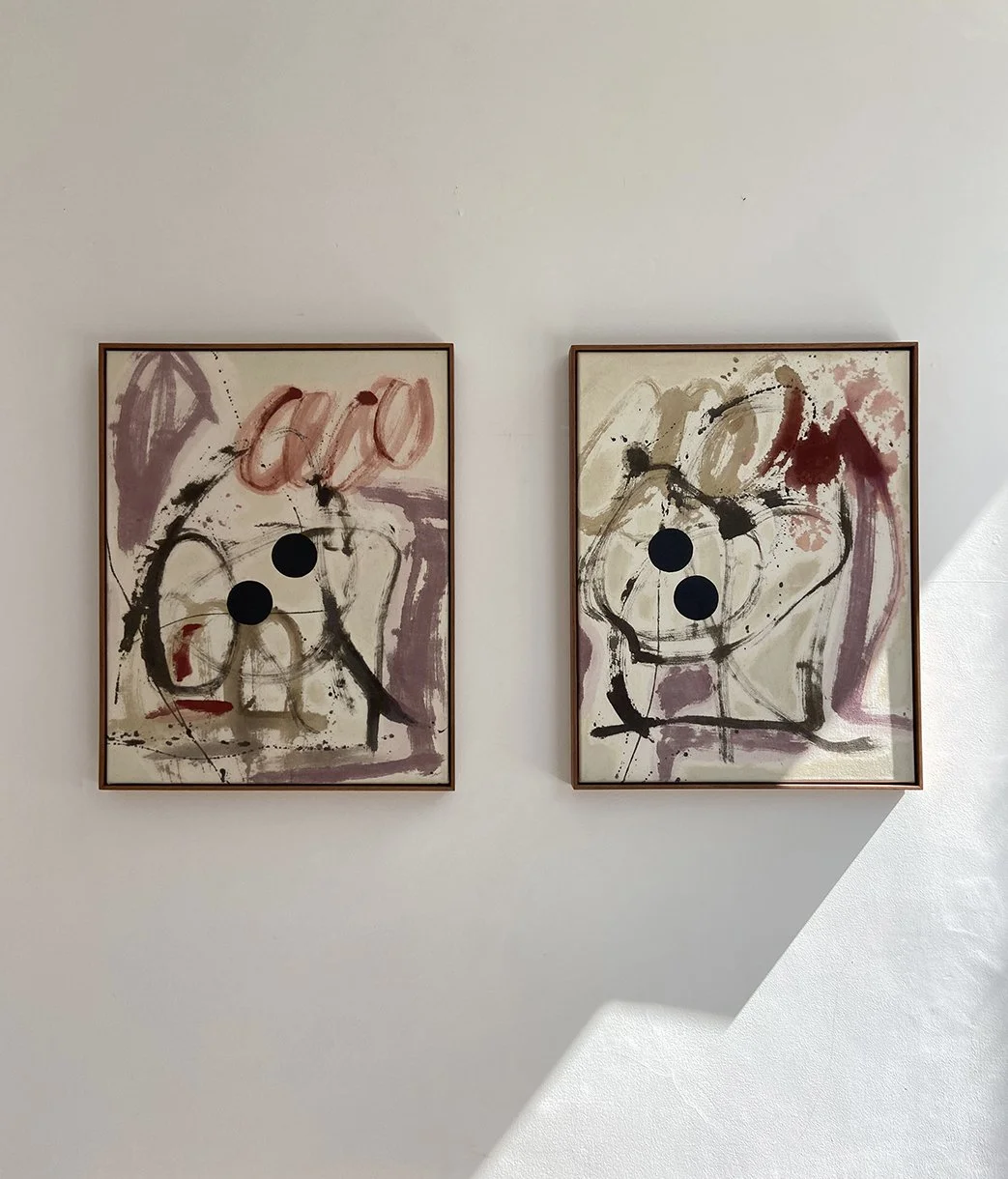
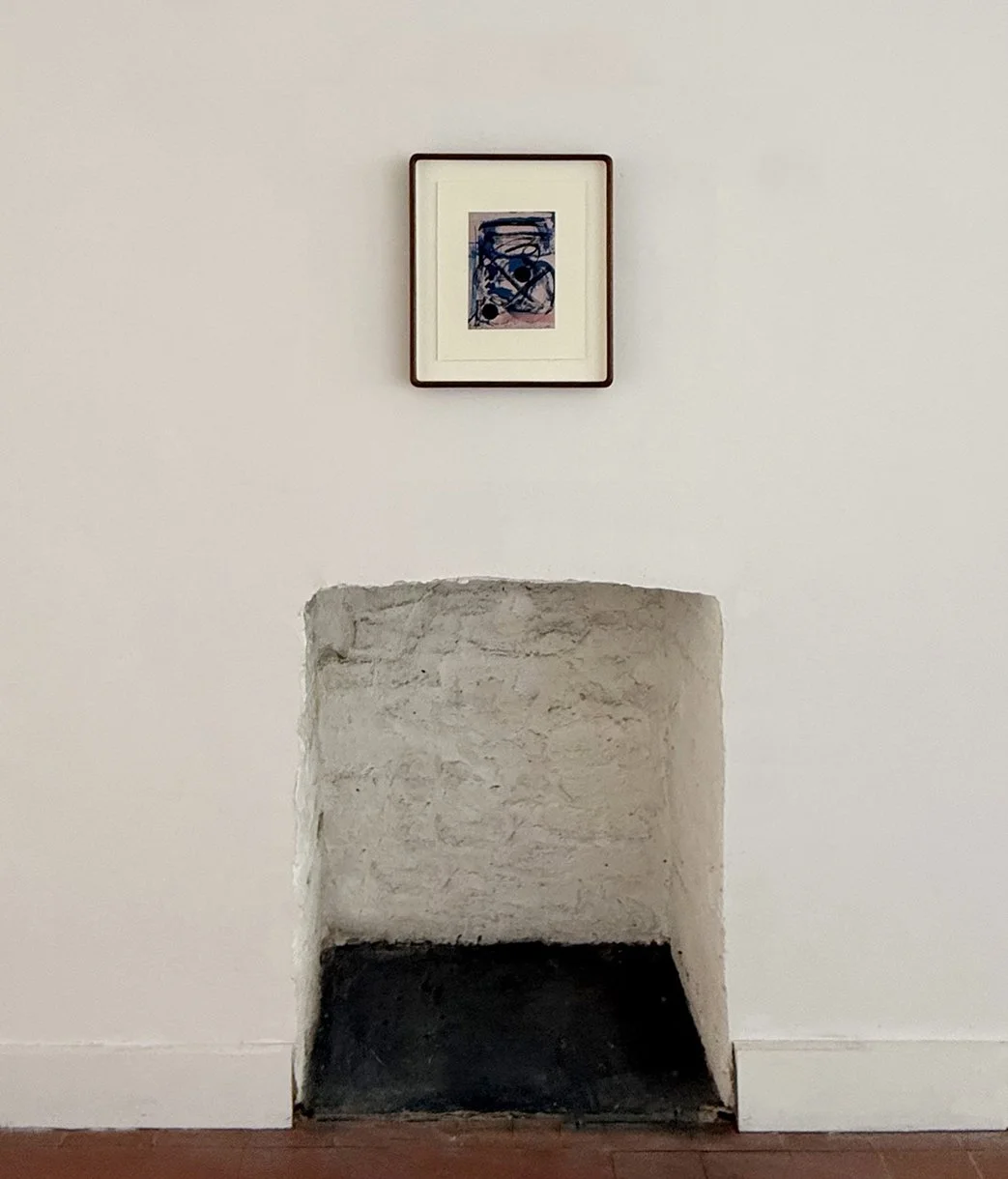
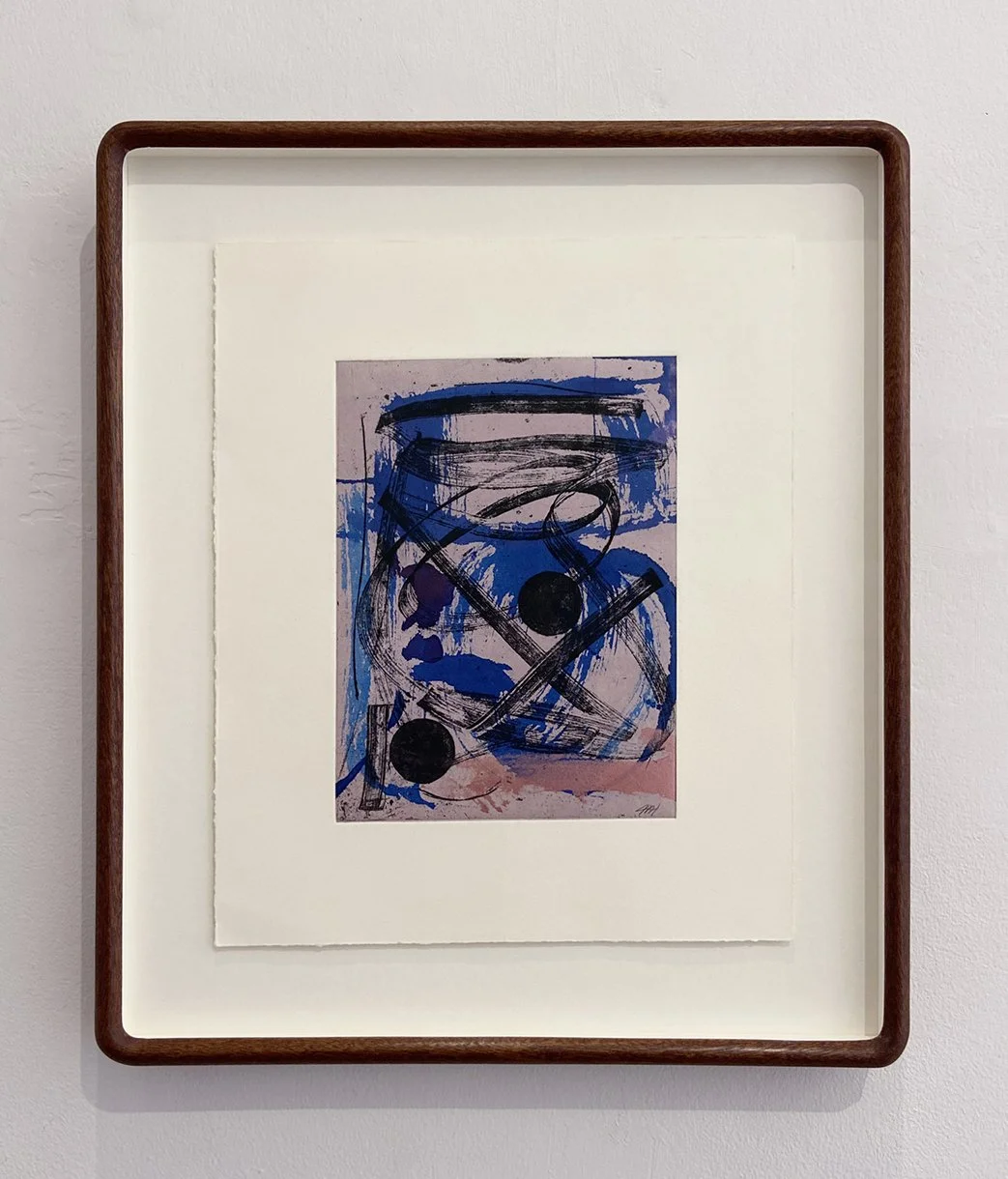
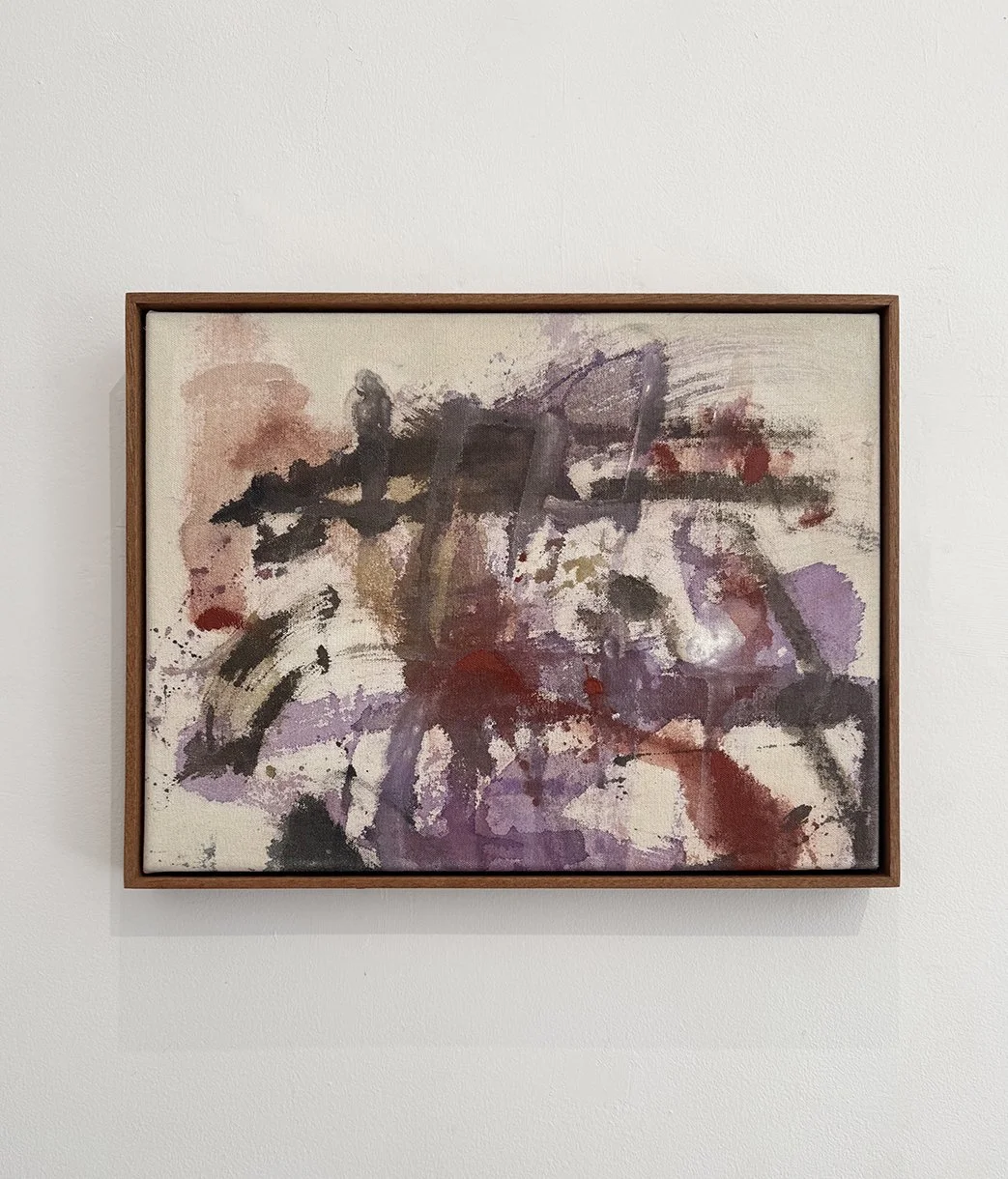
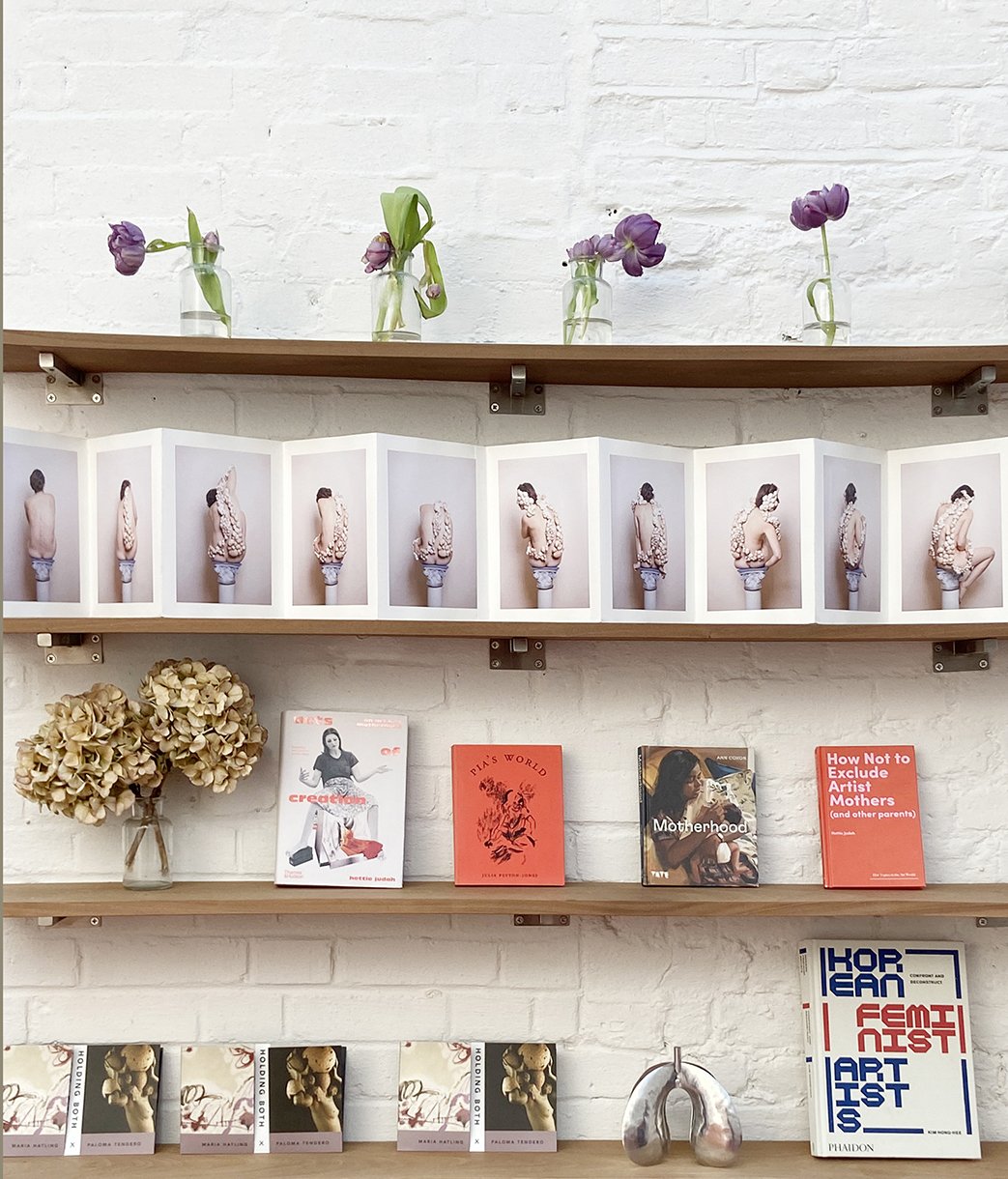
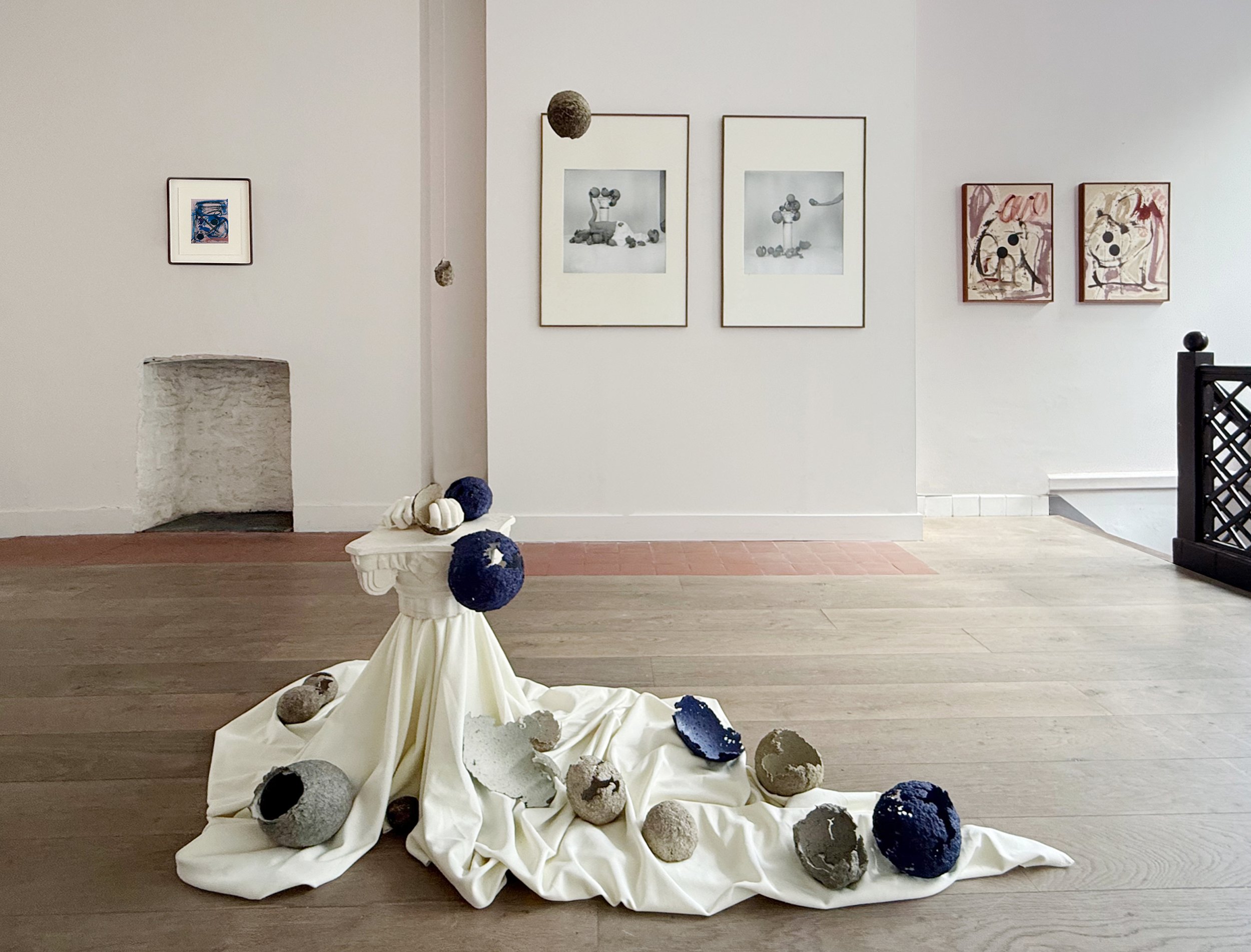
Holding Both is a duo exhibition by Maria Hatling and Paloma Tendero exploring inheritance, fertility, and the emotional complexities surrounding reproductive choice. Bringing together painting, experimental print making, photography and sculptural installation, the exhibition navigates the intertwined pressures of biology, autonomy, and belonging. The artists consider what it means to inherit, not only through DNA, but through love, memory, care, and the quiet transmission of values and wounds across generations. Holding space for contradiction, the exhibition recognises motherhood as both fulfilment and loss, and childlessness as both freedom and ache.
Maria Hatling’s layered paintings draw on the memory of handwriting to evoke grief, tenderness, and the shifting expectations placed on motherhood, adoption, and care. Through mark-making and gesture, she captures a tension between control and chaos, love and absence.
Paloma Tendero’s sculptural work centres on the body as a living archive of biological and cultural inheritance. Using recycled egg cartons, she reimagines fertility as adaptation rather than perfection, challenging dominant ideals of health and the “perfect” body.
Together, their practices offer a nuanced meditation on womanhood, choice, and the legacies that shape us.